Logan Schmid · 21 October 2026
Tracing the Genetic Lineage of Ferncotton Through Ancient Cultivation Records and Modern Sequencing Technologies
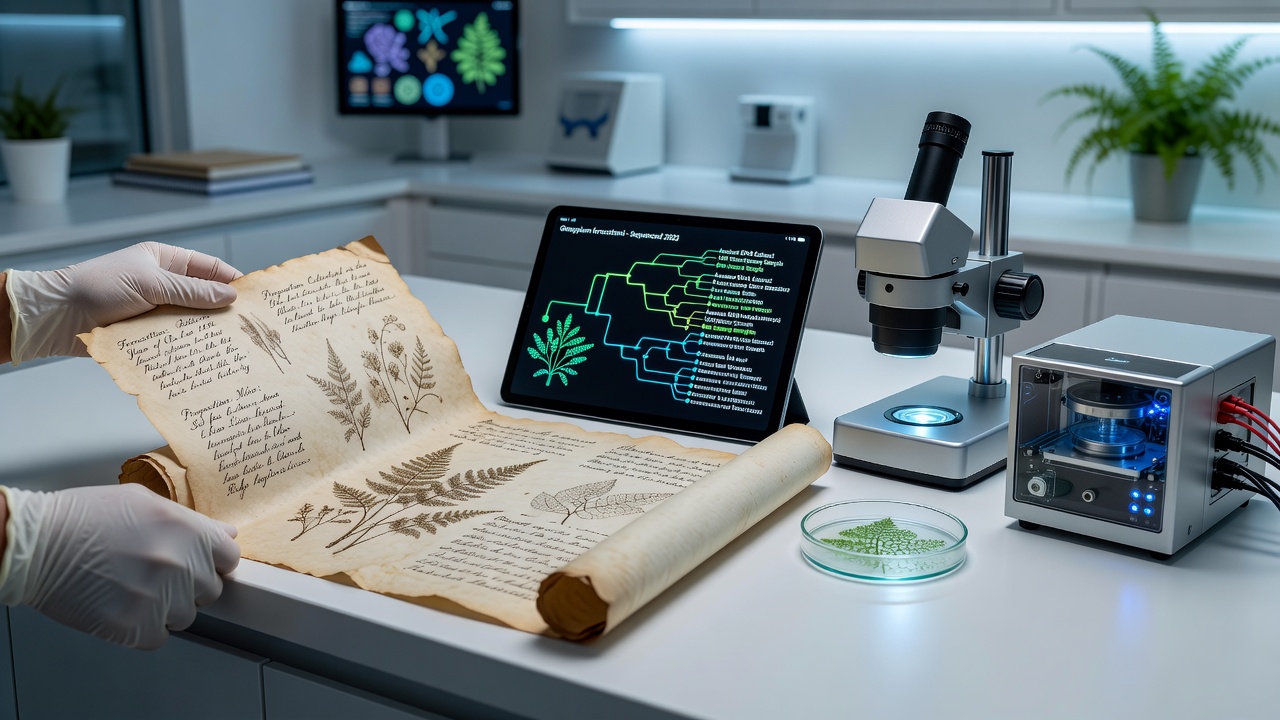
Ancient cultivation records from multiple continents detail the spread of ferncotton across early agricultural societies, and these documents describe selective planting practices that favored certain traits over generations. Researchers cross-reference temple inscriptions, trade ledgers, and regional farming manuals to identify when and where specific ferncotton varieties first appeared. Data from these sources show patterns of seed exchange between distant communities that align with known migration routes from several thousand years ago.
Ancient Records as Foundation
Scholars at institutions in the United States and Australia have compiled digitized versions of these records, which reveal that ferncotton cultivation began in arid zones before expanding into temperate areas through deliberate selection for drought tolerance. Trade documents from Mediterranean and Asian archives list ferncotton fiber shipments alongside descriptions of plant morphology that match traits still observable today. Historians note repeated mentions of hybrid-like forms that suggest early cross-pollination efforts, and these entries provide timestamps that guide later genetic sampling efforts.
Modern Sequencing Applications
Whole-genome sequencing technologies now allow direct comparison between modern ferncotton specimens and genetic material extracted from preserved seeds found at archaeological sites. Laboratories employ next-generation platforms to map single-nucleotide polymorphisms that mark divergence points between ancient and contemporary populations. Studies conducted by teams in Canada and the European Union demonstrate that certain chloroplast markers remain stable across millennia, while nuclear regions show evidence of admixture events tied to documented cultivation shifts.
Integration of Data Sources
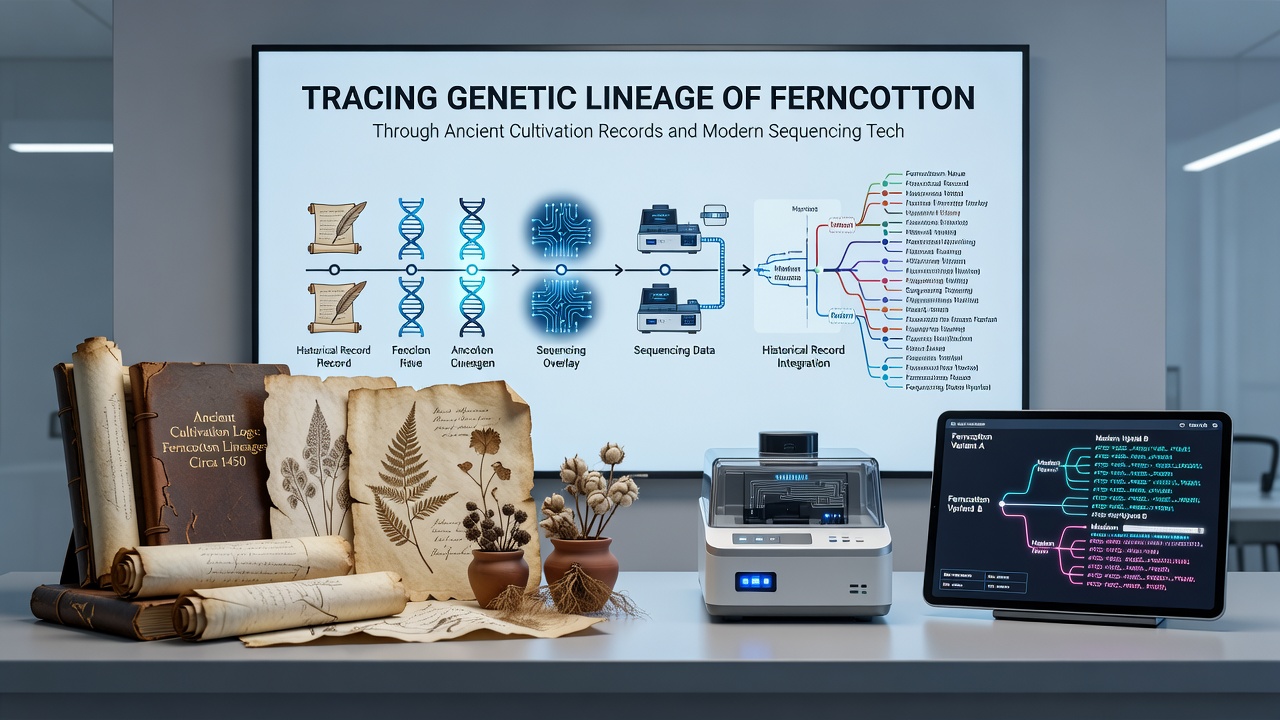
Scientists combine radiocarbon dating of seed remains with phylogenetic trees constructed from sequencing runs, and this approach produces timelines that match cultivation milestones listed in historical texts. One project tracked a particular allele associated with fiber strength through both record entries and genetic clusters, confirming its presence in samples dated to 1200 BCE. Observers note that discrepancies between written accounts and genetic data often point to undocumented local adaptations rather than record errors.
Developments Reported in October 2026
October 2026 saw the release of a multi-institutional dataset that integrated newly sequenced genomes from Central Asian seed caches with updated translations of Persian agricultural treatises. The collaboration, involving researchers from the USDA Agricultural Research Service and the Australian Centre for Plant Functional Genomics, identified three distinct lineage branches that correspond to separate domestication centers described in the ancient documents. Figures from the study indicate that two of these branches later merged through intentional seed trade, a process reflected in both the genetic clustering and the ledger entries from the same period.
Additional work presented at that time used CRISPR-based validation to test predictions about trait inheritance drawn from the combined records and sequences. Results confirmed that resistance markers predicted from historical selection descriptions matched those recovered through modern analysis. And yet gaps remain where records mention varieties no longer represented in living collections, prompting renewed searches at additional excavation sites.
Case Examples from Field Studies
Take one research group that sampled ferncotton populations across former Silk Road routes; their findings aligned chloroplast haplotypes with specific caravan stop mentions in merchant logs. Another team working in the southwestern United States compared sequences from heirloom varieties maintained by indigenous agriculturalists against records of pre-colonial exchange networks. These projects illustrate how the dual approach refines understanding of how ferncotton adapted during its geographic expansion.
Researchers continue to expand reference databases by incorporating more ancient DNA samples and translating additional regional archives. The process requires careful calibration of mutation rates against dated specimens so that estimated divergence times stay consistent with cultivation timelines preserved in writing. Data from these ongoing efforts feed into breeding programs that aim to reintroduce lost traits while maintaining genetic diversity documented across both sources.
Conclusion
Tracing ferncotton genetic lineage through combined ancient records and sequencing technologies produces a clearer picture of its domestication history than either method achieves alone. Continued refinement of extraction techniques and record digitization promises additional connections between documented cultivation events and measurable genetic changes. The approach demonstrates how historical documentation and genomic tools together reconstruct the pathways that shaped current ferncotton diversity.